

On 25 January 2026, at Noen Boonyaram Temple (Ton Mamuang Temple) in Sri Racha District, Chonburi Province, the Sexual and Reproductive Health and Rights (SRHR) team–led by Dr. Nittaya Phanuphak, Dr. Maneepunnarai Jiwjinda, and Kanokwan Sinchai–together with the Foundation for Action on Inclusion and Rights (FAIR), conducted an outreach activity to provide education for Myanmar migrant community leaders in Chonburi. The activity aimed to strengthen understanding of sexual and reproductive health, as well as safe and rights-based access to health services.
This activity focused on delivering knowledge that aligned with the lived realities of migrant workers through a participatory learning approach. The SRHR team facilitated discussions on key topics, including reproductive health, various contraceptive methods, sexual consent, and information on safe medical abortion, all within a non-stigmatizing and non-judgmental service framework.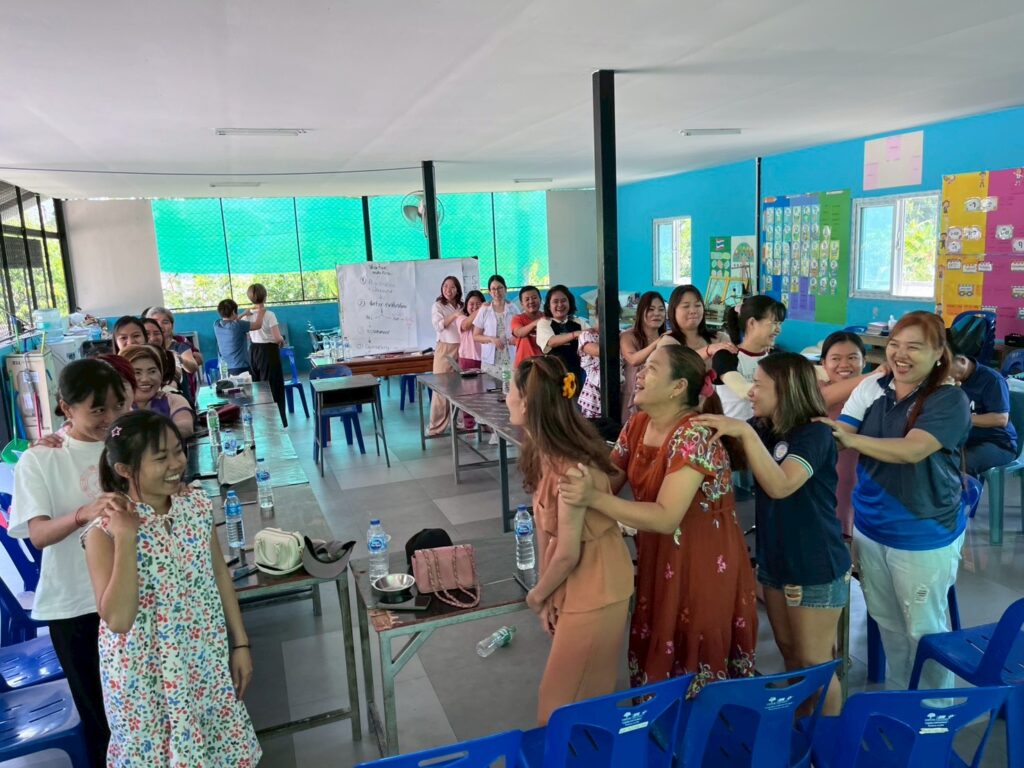
Dr. Maneepunnarai provided practical, hands-on training to community leaders regarding accurate gestational age calculation as a fundamental skill for reproductive health care and access to safe abortion services. She also shared information on different contraceptive options, such as oral contraceptive pills and injectable contraception, explaining their benefits, limitations, and how to choose methods that best suit individual needs. She also highlighted the importance of consent in sexual relationships as a core principle of sexual rights and safe, respectful relationships.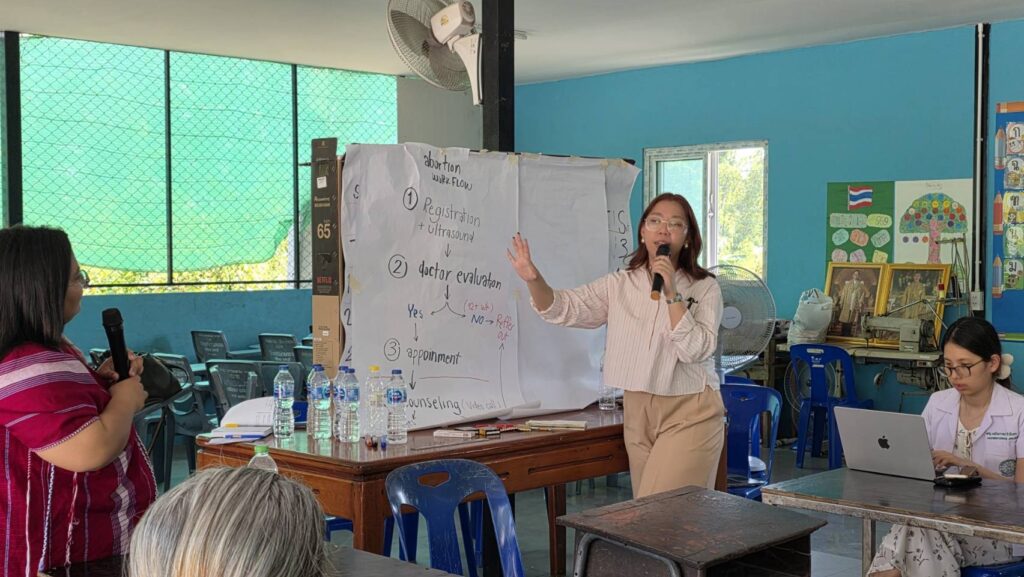
In terms of service delivery innovation, Kanokwan introduced the model of safe abortion services using medication provided through the online platform of Pribta Oon-i Clinic, which currently serves both Thai and non-Thai clients. The service aims to expand access to friendly, confidential, and safe care for migrant workers. During the session, Myanmar community leaders were invited to share feedback and recommendations to help adapt and improve the service to better reflect the linguistic, cultural, and specific needs of the Myanmar community.
Furthermore, the SRHR team and FAIR worked collaboratively with community leaders to co-design referral pathways and service linkage models, enabling Myanmar communities to access health services with confidence, dignity, and without discrimination.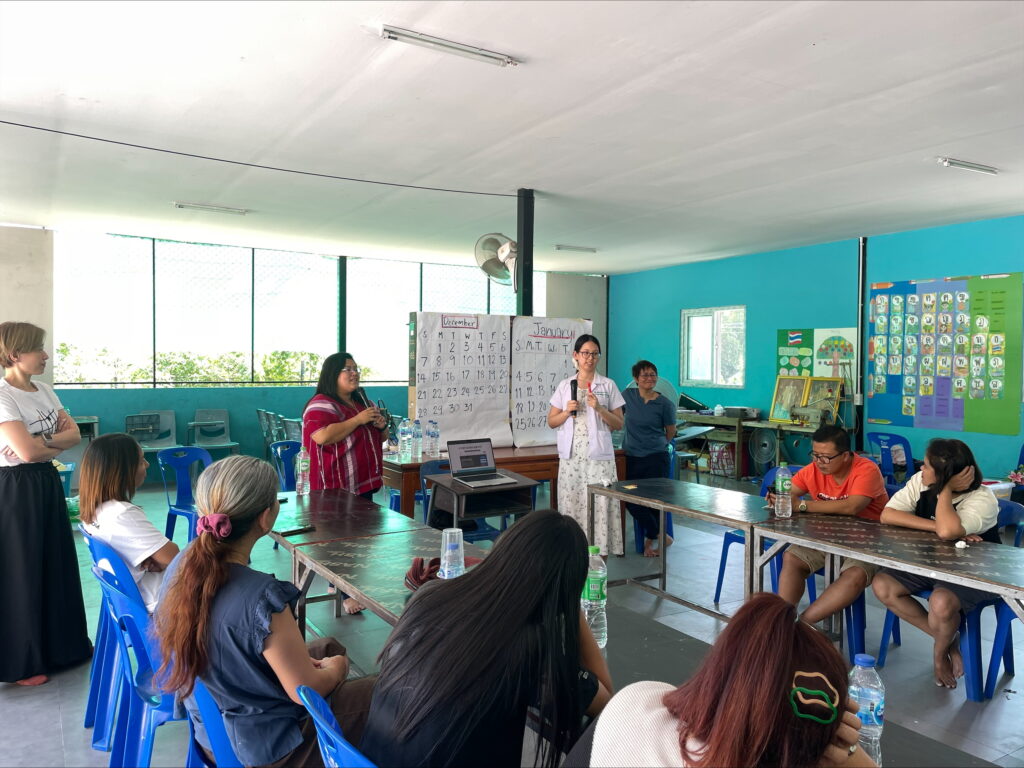
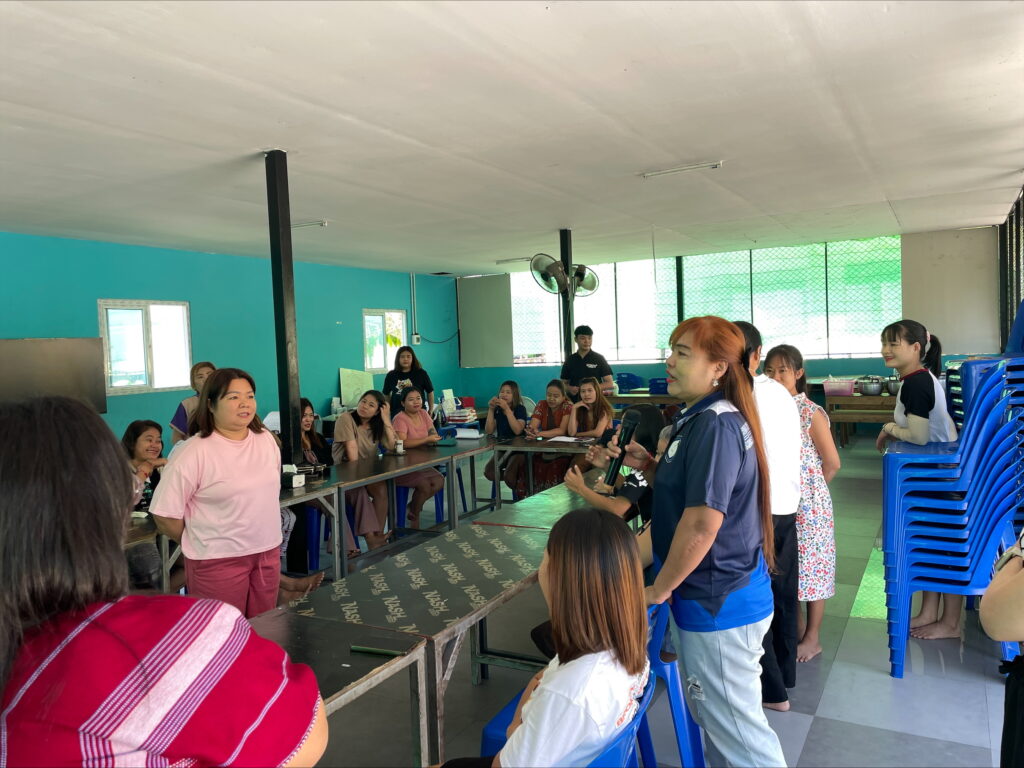
This activity reflects strong collaboration between a health institute, a civil society organization, and the community in building inclusive, equitable, and responsive sexual and reproductive health service systems, particularly for migrant workers, who have long faced barriers to accessing a widely-stigmatizing care, such as abortion.
Article by: Jakkrapatara Boonruang
Photos by: Kanokwan Sinchai and Areesri Kosasee

